Dutch combat sports leaders reject Lowkick Challenge trend
Shock and concern are growing around a viral trend in combat sports. The so-called Lowkick Challenge is being called dangerous and irresponsible by leading Dutch authorities. What may look like a test of toughness is now seen as a threat to the sport’s image and safety.
A simple idea that raises serious concerns
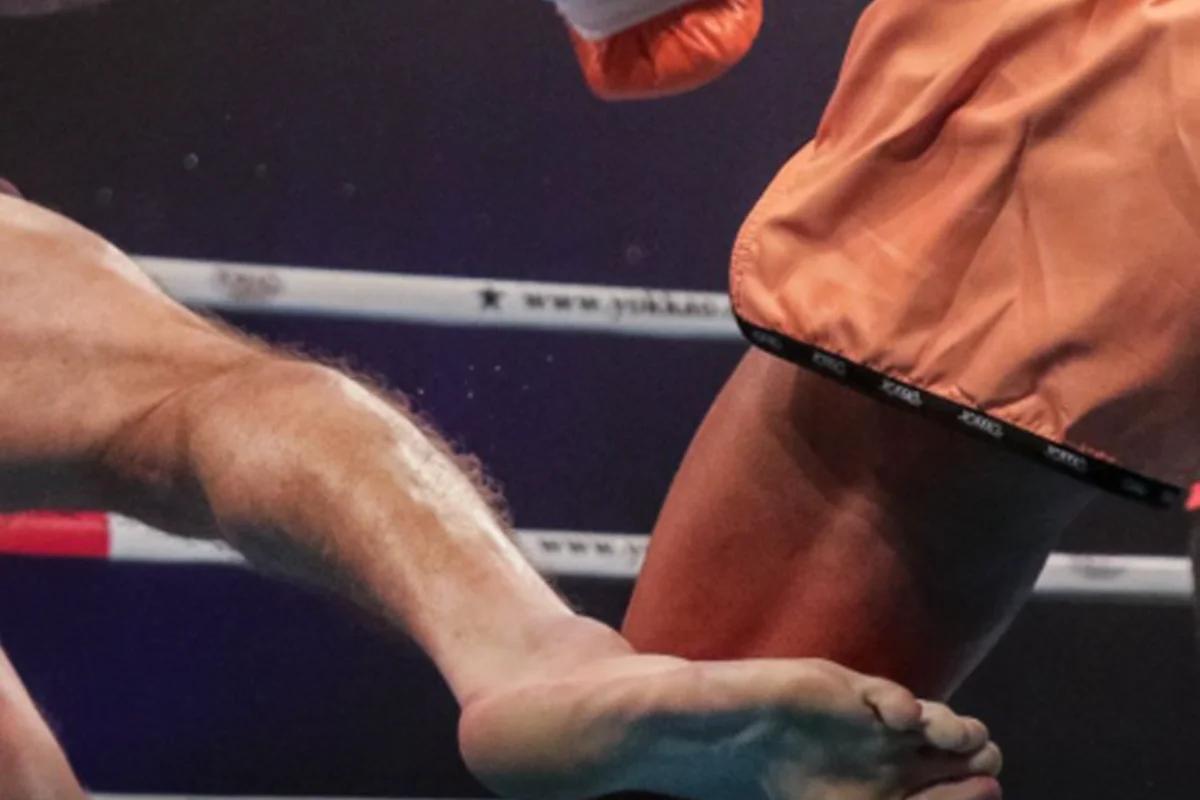
The Lowkick Challenge is straightforward. Two participants take turns kicking each other on the leg. There is one strict rule: no defense is allowed. The person who lasts the longest wins.
That simplicity is exactly what worries experts. In regulated combat sports, defense is essential. Here, it is removed entirely. That changes the nature of the activity from sport to something else.
Officials draw a clear line
The Nederlandse Vechtsport Bond has taken a firm stance. Director Raimond Honig made it clear that the challenge does not belong to any recognized discipline like kickboxing, Muay Thai, or MMA.
He stressed that it does not meet the standards and values of organized combat sports. The federation will not support or endorse the event in any way. That decision sends a clear message to the sector.
The Nederlandse Vechtsportautoriteit agrees. Director Farid Gamei warned that the concept harms the sport’s image. He advised gyms, fighters, promoters, and officials to stay away from it.
Safety risks cannot be ignored
The main issue is safety. Repeated kicks to the same leg without defense can cause serious damage. Especially the knee is at risk, and injuries there can have long-term effects.
Veteran trainer Thom Harinck spoke out strongly. He said the challenge has nothing to do with real combat sports. According to him, causing damage without the chance to defend yourself crosses a line.
He also warned that knee injuries are not easy to recover from. His advice is clear: choose proper competition under professional guidance instead.
Years of progress at stake
Dutch combat sports have worked hard to build a better image. Regulation, safety, and professionalism have become key pillars in recent years.
A trend like the Lowkick Challenge can undo that progress. For outsiders, it may look like part of the sport. That confusion can damage trust and credibility.
That is why both organizations remain committed to a safe and responsible future. Respect, sportsmanship, and quality remain central to their vision.